Author information
Introduction
Sickle cell disease (SCD) remains a major public health challenge, particularly in sub-Saharan Africa, where prevalence and disease burden are highest.1 It is characterized by recurrent vaso-occlusive crises, hemolysis, inflammation, and progressive organ damage.2,3 Hydroxyurea (HU) is the cornerstone therapy due to its ability to induce fetal hemoglobin (HbF), which reduces sickling and improves clinical outcomes.4,5 However, individual responses to HU vary widely, with some patients achieving optimal HbF induction and clinical benefit, while others show limited improvement. This variability has been attributed to genetic modifiers, treatment adherence, and environmental factors, but emerging evidence suggests that nutritional status may also play a critical role.6–9
Micronutrient deficiencies, including folate, vitamin B12, zinc, and vitamin D, are common among individuals with SCD and may impair erythropoiesis and exacerbate oxidative stress.10 Omega-3 fatty acid supplementation has also been reviewed as a strategy for reducing VOC-related hospitalizations.11 Recent nutritional and adjunctive evidence includes vitamin D3 supplementation, preclinical synthetic omega-3 fatty acid evidence, and real-world L-glutamine data, with reported benefits on supportive clinical outcomes, oxidative injury, and SCD-related complications.12–14 Vitamin D-related approaches, functional foods, short-chain fatty acids, pharmacological HbF-inducing strategies, and omega-3 fatty acids have been explored as supportive or mechanistic approaches in SCD, although direct HbF effects remain uncertain.15–20 In addition, emerging evidence from clinical and real-world studies indicates that amino acid–based therapies such as L-glutamine and L-arginine may reduce SCD-related complications, pain outcomes, hospitalization, or hemolysis markers, highlighting their role in modulating disease severity independent of HbF response.21–23
Nutritional status also influences treatment tolerance and clinical outcomes in vulnerable populations. Studies in resource-limited settings and current HU treatment literature have highlighted that HU use in children with SCD can be feasible but may be affected by access barriers, safety monitoring, and supportive-care capacity.24–26 Antioxidant strategies, including N-acetylcysteine, have been explored for reducing oxidative stress in SCD.27 Omega-3 fatty acid supplementation has shown potential benefits in reducing pain-crisis outcomes and improving oxidative or inflammatory markers, although its effect on HbF induction remains inconsistent across studies.20,28 Vitamin D status has also been associated with oxidative stress and supportive clinical outcomes in children with SCD.29 Given the growing body of evidence, this systematic review aims to clarify the role of nutrition as a modifier of HU response, identify interventions with the strongest clinical support, and highlight gaps requiring further investigation.
Materials and methods
Search strategy
A comprehensive literature search was conducted across PubMed, Scopus, the Cochrane Library, Google Scholar, and African Journals Online for studies published between January 2018 and December 2025. The search string included a combination of the following keywords: (“sickle cell disease” OR “sickle cell disorder”) AND (“hydroxyurea”) AND (“fetal hemoglobin” OR “HbF”) AND (“nutrition” OR “micronutrient” OR “antioxidant” OR “phytochemical” OR “butyrate” OR “amino acid” OR “omega-3”). Search strategies were adapted for each database, with field tags and subject headings modified accordingly. The study protocol was registered with PROSPERO (ID: CRD420251268453) following PRISMA 2020 guidelines, and key items were prospectively specified in the PROSPERO registration.
Eligibility criteria
Studies evaluating HU alone were included as baseline comparators for interpreting adjunctive nutritional effects. Interventions of interest included micronutrient supplementation (folate, vitamin B12, zinc, vitamin D, selenium); dietary bioactive compounds (butyrate, phytochemicals, nutraceuticals); amino acid–based therapies (L-glutamine, L-arginine); nutritional rehabilitation strategies; and antioxidant or anti-inflammatory approaches (omega-3 fatty acids, vitamins C and E, glutathione precursors). The primary outcome was HbF concentration, while secondary outcomes included vaso-occlusive crises, hospitalization, pain-related outcomes, growth indices, hematologic parameters, and oxidative stress markers. Eligible study designs included original clinical studies for the clinical evidence synthesis. Selected mechanistic/preclinical or non-nutritional pharmacological studies were retained only as contextual evidence when relevant to intervention mechanisms or VOC-management comparators. Review articles were used for contextual discussion and were excluded from evidence tables.
Exclusion criteria
Studies excluded from selection included those without confirmed SCD, those that did not report the use of HU, those that did not evaluate nutritional or dietary bioactive compound interventions, and those that did not report HbF or other relevant clinical outcomes such as vaso-occlusive crises, hospitalization, or oxidative stress markers. Additional exclusions from the clinical evidence synthesis included case reports, editorials, reviews, animal studies not retained as contextual mechanistic evidence, non-English articles, and duplicate publications of the same study.
Study selection
A total of 1,200 records were identified (Fig. 1). After the removal of duplicates (n = 375), 825 records were screened by title and abstract. Of these, 730 were excluded for not meeting the inclusion criteria (non-SCD populations, no HU use, non-nutritional interventions, or non-original data). The full texts of 95 articles were assessed, with 77 excluded for reasons including incorrect study design (n = 25), lack of HU co-treatment, absence of HbF or relevant clinical outcomes, and overlapping populations (n = 52). In total, 18 studies and contextual evidence sources, including 6 randomized controlled trials and 12 observational, interventional, preclinical, or contextual studies, were included in the qualitative synthesis (Tables 1 and 2; Figs. 2 and 3).5–7,12–15,20,22–24,26,28–33
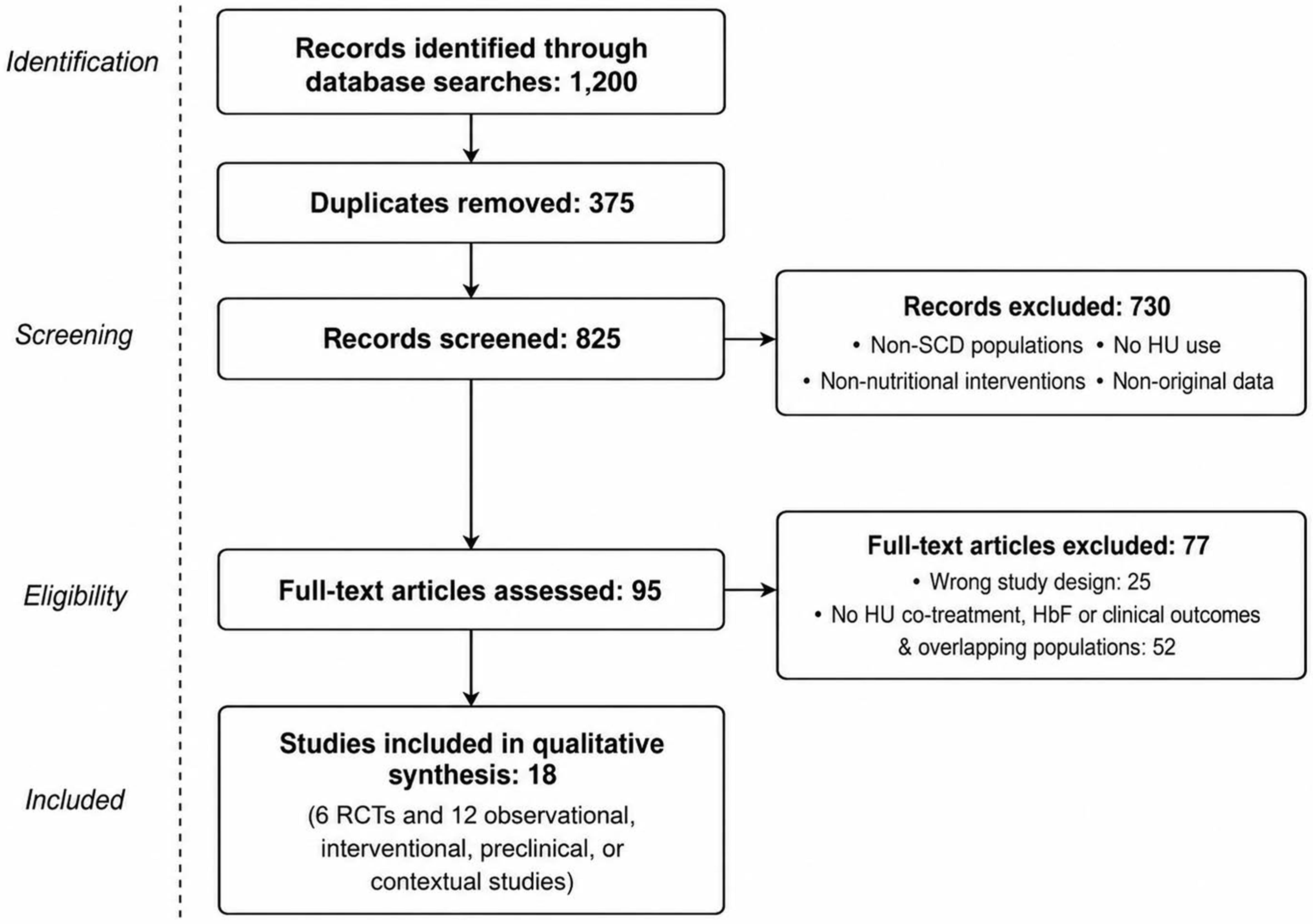
HbF, fetal hemoglobin; HU, hydroxyurea; RCT, randomized controlled trial; SCD, sickle cell disease.
Characteristics of included studies
| Author/Year | Country | Design | Sample size | Intervention | Comparator | Primary outcome | Secondary outcomes | Key findings |
|---|---|---|---|---|---|---|---|---|
| Mvalo et al., 201926 | Malawi | Prospective cohort | 187 | Hydroxyurea therapy | Pre-treatment baseline | Improvement in HbF | Hospitalizations, vaso-occlusive events, safety and feasibility | Hydroxyurea improved hematologic parameters and reduced clinical complications, demonstrating feasibility of hydroxyurea therapy in a resource-limited setting |
| Khan et al., 202220 | Saudi Arabia | Pilot interventional study | 43 | Omega-3 fatty acid supplementation | Baseline | Vaso-occlusive crisis frequency | Hematologic parameters, inflammatory markers | Reduced VOCs; improved erythrocyte stability |
| Mattè et al., 202413 | Italy | Preclinical animal study | Mouse model | Epeleuton (synthetic ω-3) | Control group | Hypoxia/reperfusion-related oxidative stress | Sickle-related oxidative injury markers | Reduced oxidative injury in a mouse model; considered as preclinical contextual evidence |
| Elenga et al., 202222 | Qatar & French Guiana | Prospective cohort study | 19 | Oral L-glutamine | Baseline | VOC frequency | Hospitalizations, blood transfusions, hemoglobin and hemolysis markers | Reduced crises and hospitalizations; improved hemolysis |
| Turkistani et al., 202514 | Saudi Arabia | Retrospective cohort | 200 | L-glutamine + HU | HU alone | VOC frequency | Hospitalization, HbF | Real-world benefit confirmed; reduces VOC |
| Honhar et al., 202415 | USA | RCT | 60 | High-dose of vitamin D (Stoss) | Placebo | Pain episodes/VOC | Vitamin D level, inflammatory markers | Improved vitamin D status; fewer crises |
| Onalo et al., 202123 | Nigeria | Randomized double-blind RCT | 68 | Oral L-arginine | Placebo | Analgesic requirement during VOC | Pain scores, hospital stay | Reduced pain and hospital duration |
| Dampier et al., 202332 | Multi country | Phase III RCT | 345 | Rivipansel, a non-nutritional pharmacological intervention | Placebo + standard care | Time to VOC resolution | Opioid use, hospital stay | No significant primary endpoint benefit; considered only as contextual pharmacological evidence for VOC management |
| Abdullahi et al., 202330 | Nigeria | Multicenter RCT (feasibility) | 110 | RUTF + HU | RUTF alone | Nutritional recovery (BMI Z-score) | Safety adherence, hematologic response | Feasible and safe; improved nutrition |
| Abdelhalim et al., 202228 | Egypt | RCT | 165 | Omega-3 fatty acids | Standard care | VOC frequency | Hematologic parameters, hospitalization rate | Reduced VOC and improved hematology |
| Hanna et al., 202412 | Multicountry | RCT | 42 | Vitamin D3 supplementation | Placebo | Serum vitamin D level | Bone mineral density (BMD), hand-grip strength (HGS), health-related quality of life (HRQoL) | Improved vitamin D, BMD, QoL |
| Kalibbala et al., 202531 | Uganda | Prospective cohort | 264 | Hydroxyurea therapy | Age-standard reference | Growth parameters | HbF, clinical outcomes | Improved growth trends |
| Sonuga et al., 202529 | Nigeria | Case-control study | 200 | Vitamin D status | Healthy controls | Oxidative stress biomarkers | Antioxidant enzyme activity | Vitamin D linked to antioxidant status |
| Zahran et al., 202033 | Egypt | Prospective clinical study | 60 | Hydroxyurea | Baseline | Change in HbF(%) | VOC frequency, inflammatory markers | Increased HbF and reduced VOC |
| Ambrose et al., 202324 | Tanzania | Retrospective cohort | 87 | Hydroxyurea therapy | Baseline | VOC frequency | Hospitalization, transfusion, Hb, MCV | Reduced VOC and admissions |
| Emuli et al., 20256 | Uganda | Cohort | 120 | Hydroxyurea therapy | Baseline / treatment duration comparison | Hematologic improvement | HbF, micronutrient status | Hydroxyurea was associated with improved hematological indices |
| Adegoke et al., 20187 | Nigeria/Brazil | Cohort | 100 | Hydroxyurea exposure | HU-naive or non-HU group | Growth parameters | HbF, vitamin D level | HU was associated with anthropometric outcomes, while vitamin D deficiency persisted |
| Owusu–Poku et al., 20225 | Ghana | Cohort | 150 | Micronutrients status and oxidative stress biomarkers | Not applicable / comparison by biomarker status | Oxidative stress biomarkers | HbF, clinical outcomes | Micronutrient and oxidative stress biomarkers were associated with HbF and disease-related parameters |
GRADE summary of findings for nutritional interventions adjunctive to hydroxyurea
| Outcome | No. of studies | Study design | Effect | Certainty of evidence | Interpretation |
|---|---|---|---|---|---|
| HbF increase | 6 | Cohort + RCT | Effects modest and inconsistent; micronutrient effects were limited, and butyrate remained biologically plausible but lacked sufficient contemporary clinical validation | Low–Moderate | Evidence is insufficient to confirm enhanced HU-mediated HbF response |
| VOC reduction | 5 | RCT + observational | Consistent evidence for L-glutamine; omega-3, vitamin D, and arginine showed supportive evidence for reducing pain-crisis or VOC-related outcomes | Moderate | Adjuncts reduce crisis frequency |
| Hospitalization | 4 | Cohort + RCT | L-glutamine reduced hospitalizations; RUTF improved tolerance; supportive outcomes noted | Low–Moderate | Evidence promising but heterogeneous |
| Hematologic improvement | 6 | Mixed designs | Micronutrient status and HU-treated cohort data were associated with hematologic indices, oxidative stress markers, or growth-related outcomes | Moderate | Likely benefit |
| Oxidative stress biomarkers | 3 | Observational | Micronutrients and antioxidant strategies, including NAC, improved oxidative stress markers | Low | Limited evidence |
| Growth / nutritional recovery | 2 | Cohort + RCT | RUTF improved treatment feasibility and nutritional recovery in malnourished children | Low | Limited evidence |
| Butyrate (HbF induction) | 2 | Mechanistic/contextual evidence | Butyrate has biologically plausible HbF-inducing potential, but eligible contemporary clinical evidence was limited | Low | Experimental; clinical validation needed |
| Phytochemicals | several | In vitro | In vitro antisickling/antioxidant effects; no clinical validation, very low certainty | Very Low | Clinical validation lacking |
Data extraction and risk of bias
Two reviewers independently screened titles, abstracts, and full texts against the inclusion criteria. Disagreements were resolved through consensus with a third reviewer. A standardized form was used to extract study characteristics, including country, design, sample size, intervention, comparator, and outcomes. Risk of bias was assessed using the Cochrane Risk of Bias 2 tool for randomized controlled trials and the Newcastle–Ottawa Scale for observational studies. Evidence certainty was graded using the GRADE framework.
Data synthesis
Given the heterogeneity in intervention types, dosing regimens, follow-up durations, and measured outcomes, a formal meta-analysis was not performed. Instead, findings were synthesized narratively by intervention category and outcome type. Certainty of evidence was summarized across interventions, ranging from moderate for L-glutamine and omega-3-related clinical outcomes to very low for phytochemicals.
Results
Characteristics of included studies
Eighteen studies and contextual evidence sources, including 6 randomized controlled trials and 12 observational, interventional, preclinical, or contextual studies, were summarized. The clinical studies comprised pediatric and adult patients with SCD from Africa, the Middle East, and North America, with contextual evidence from Europe and multicountry pharmacological studies. Sample sizes ranged from small pilot trials (n ≤ 40) to large multicenter randomized trials (n ≥ 300), with follow-up durations between 6 weeks and 48 months. HU was administered at standard dosing (generally 15–25 mg/kg/day, where reported), and nutritional interventions included micronutrients (folate, vitamin B12, vitamin D, zinc, selenium) (Table 3); amino acid–based therapies (L-glutamine, L-arginine); omega-3 fatty acids; short-chain fatty acids (butyrate); antioxidant vitamins (C and E); glutathione precursors; phytochemical extracts (Table 4); and nutritional rehabilitation strategies such as RUTF.
Micronutrients and their impact on HU therapy and HbF induction
| Micronutrient | Prevalence in SCD | Known impact on SCD | Potential impact on HU/HbF | Evidence level |
|---|---|---|---|---|
| Folate (B9) | Common | Required for DNA synthesis and erythropoiesis | HU-induced macrocytosis can mask deficiency | Observational / clinical consensus |
| Vitamin B12 | Common | Cofactor for DNA synthesis and RBC formation | HU macrocytosis complicates diagnosis | Observational |
| Vitamin D | Very common | Bone health, muscle growth, pain modulation | No clear direct effect on HU response | Observational / small trials |
| Zinc | Prevalent | Immune function, antioxidant defense, growth | Potential indirect effect on HU pharmacokinetics | Small trials / observational |
| Iron | Variable | Essential for hemoglobin synthesis | HU may alter iron utilization | Observational / mixed data |
Roles of bioactive compounds in the management of SCD
| Compound/Source | Type | Reported effects | Proposed mechanism | Evidence level |
|---|---|---|---|---|
| Butyrate | Short-chain fatty acid | HbF induction | Increases γ-globin expression | Mechanistic/contextual; clinical validation limited |
| Solenostemon monostachyus extract | Phytochemical | Antisickling | Transcriptional modulation (not fully understood) | In vitro |
| Carica papaya extract | Phytochemical | Antisickling & reduced hemolysis | Mechanism unclear | In vitro |
| Moringa oleifera extract | Phytochemical | Antisickling & antioxidant | Multitarget antioxidant and anti-inflammatory | In vitro |
| Nigella sativa oil | Phytochemical | Antisickling; antioxidant | Calcium antagonist & antioxidant effects | In vitro |
| Flavonoids | Polyphenols | Antisickling, antioxidant, anti-inflammatory | Membrane stabilization & ROS reduction | In vitro |
| Glutathione precursors | Amino acid derivatives | Improved RBC flexibility & reduced oxidative stress | Reduce ROS and endothelial adhesion | Clinical trials |
Several studies demonstrated clinically meaningful reductions in vaso-occlusive crises and improvements in hematologic or inflammatory markers. L-glutamine therapy, evaluated in both interventional and real-world settings, consistently reduced pain crises, hospitalizations, and transfusion requirements.14,22 Omega-3 fatty acid supplementation was associated with pain-crises outcomes and improved oxidative or inflammatory markers, although its effect on HbF remained inconsistent.20,28 Vitamin D3 supplementation improved vitamin D status, BMD, hand-grip strength, and HRQoL in pediatric SCD populations, while vitamin D status was also associated with oxidative stress markers; evidence for direct HbF effects remained limited.7,12,15,29 Arginine therapy was associated with reduced pain scores, shorter time to crisis resolution, and decreased hospital stay during vaso-occlusive episodes.23 Nutritional rehabilitation with RUTF was feasible and improved treatment tolerance in malnourished children receiving HU.30 Detailed study characteristics are presented in Table 1.
Risk of bias
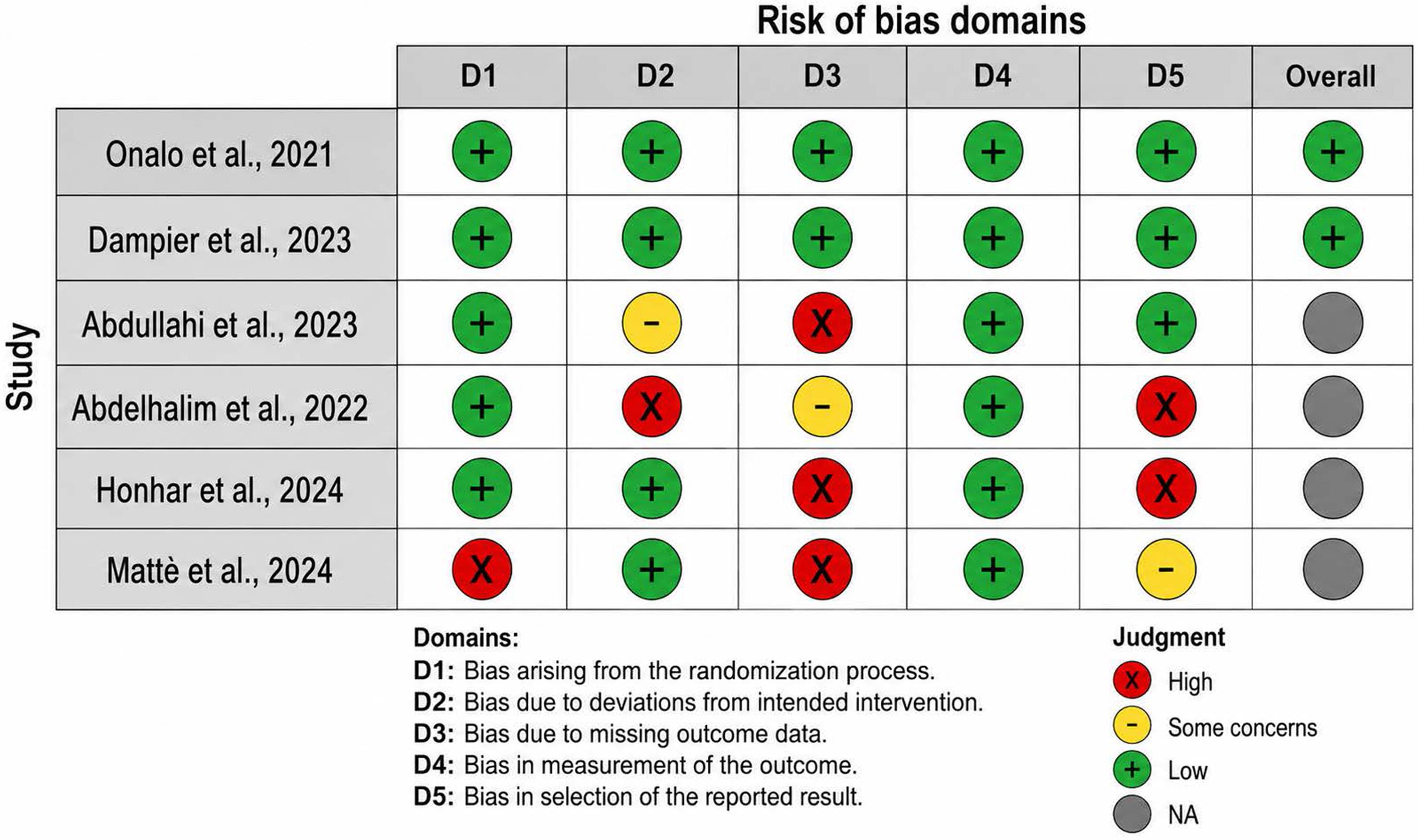
Among the randomized controlled trials, the overall risk of bias varied across studies. Onalo et al.23 demonstrated low risk across most domains, while Abdullahi et al.30 and Abdelhalim et al.28 showed some concerns or higher risk in specific domains, particularly relating to deviations from intended interventions, missing outcome data, and selective reporting (Fig. 2). Mattè et al.13 was not included in the clinical RCT risk-of-bias interpretation because it provided preclinical contextual evidence.
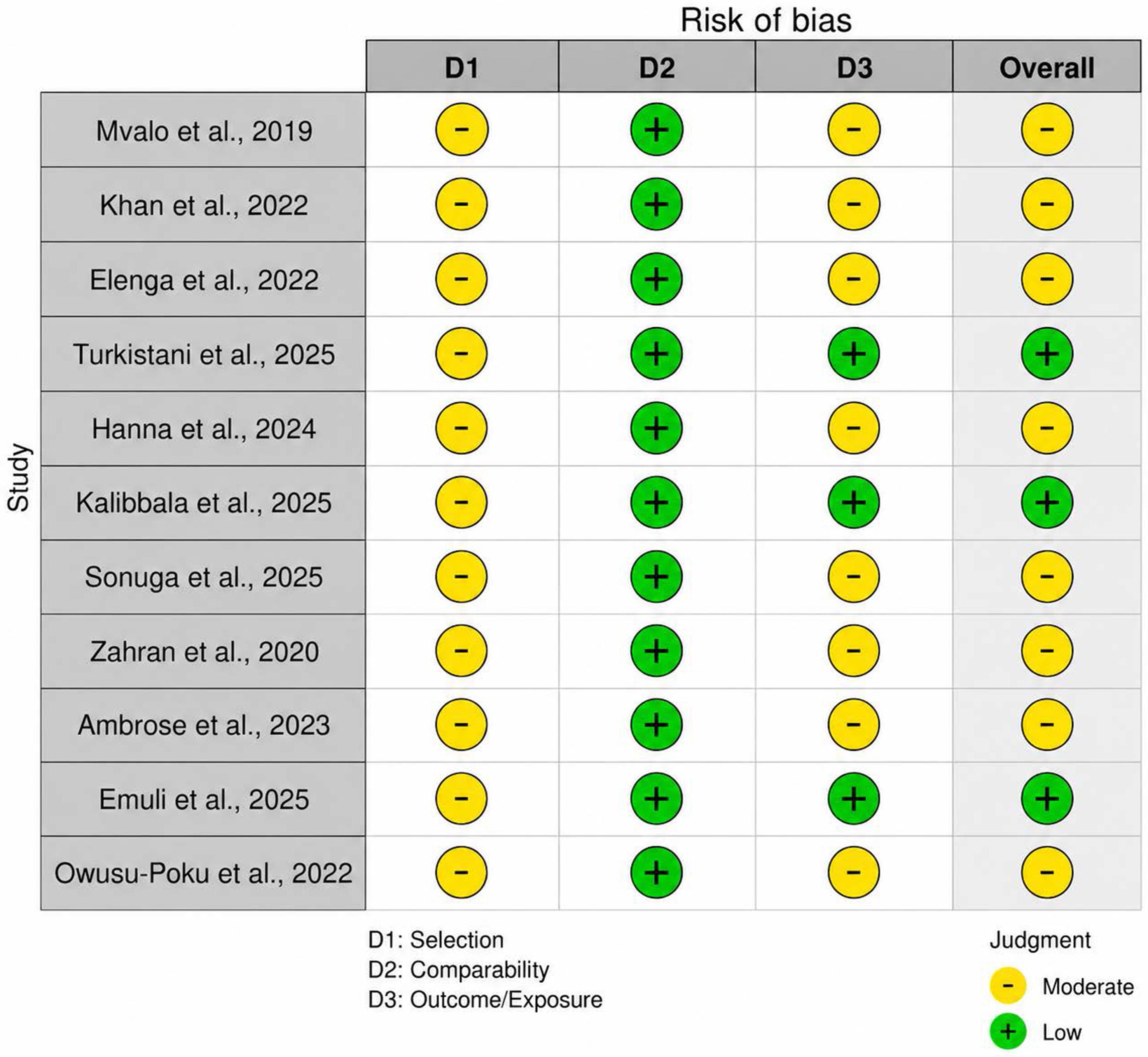
For observational studies, risk of bias assessment using the Newcastle–Ottawa Scale indicated predominantly moderate risk, with most studies showing adequate comparability but some concerns in selection and outcome assessment domains. A smaller number of studies demonstrated lower risk where study design and outcome ascertainment were robust, while others had unclear risk due to limited reporting of confounding control (Fig. 3).24,26,29
Certainty of evidence (GRADE)
The certainty of evidence ranged from moderate for L-glutamine to very low for phytochemicals (Table 2).9,10,14,22 L-glutamine consistently reduced the frequency of vaso-occlusive crises across study designs, with minimal heterogeneity. Omega-3 fatty acids demonstrated evidence for reducing pain-crisis outcomes and improving oxidative or inflammatory markers, though effects on HbF remained inconsistent.20,28 Vitamin D supplementation showed moderate-certainty evidence for improving supportive clinical outcomes, including bone health and quality of life, but limited direct impact on HbF.7,12,15,29
Amino acid–based therapies such as L-arginine demonstrated beneficial effects on pain-related outcomes,23 though the evidence remains limited and was graded as low to moderate certainty due to fewer studies. Nutritional rehabilitation strategies showed promising clinical utility in improving treatment tolerance in resource-limited settings, though certainty remains low due to limited data.30 Butyrate remained biologically plausible for HbF induction based on mechanistic and contextual evidence, but eligible contemporary clinical evidence was limited.8,17,18 Micronutrient status and HU-treated cohort data were associated with hematologic indices, oxidative stress markers, or growth-related outcomes, but evidence for direct micronutrient-driven HbF improvement remained limited.5,6,31 Phytochemicals and nutraceuticals demonstrated antisickling and antioxidant properties in vitro but lacked clinical validation, resulting in very low certainty of evidence.9,10
Discussion
This systematic review highlights the potential role of nutritional interventions as adjuncts to HU therapy in SCD. Across the studies included in this review, micronutrient deficiencies were consistently reported. Correction of deficiencies in folate, vitamin B12, zinc, and vitamin D improved general health outcomes, but there was limited evidence associating these interventions with direct modulation of HbF. For instance, Owusu-Poku et al.5 demonstrated that micronutrient status and oxidative stress biomarkers interact with HbF levels in children with SCD, while Emuli et al.6 showed improved hematological indices after one year of HU therapy, though HbF effects remained modest. These findings suggest micronutrient supplementation as supportive care rather than a primary driver of HbF induction.
Butyrate remains a biologically plausible HbF-inducing strategy via epigenetic mechanisms. However, much of the supporting evidence is mechanistic or contextual rather than derived from contemporary eligible clinical trials.17,18 Therefore, butyrate should be regarded as experimental, and future studies should address its feasibility, dosing route, adherence, and potential role alongside HU.8
Antioxidant and anti-inflammatory strategies showed consistent benefits in reducing vaso-occlusive crises and improving red cell indices. Omega-3 fatty acids were associated with reduced pain-crisis outcomes and improved oxidative or inflammatory markers, though their effects on HbF were variable.20,28 L-glutamine demonstrated evidence for reducing crises and hospitalizations, with findings supported by clinical and real-world studies.14,22 Amino acid–based therapies such as L-arginine further demonstrated significant reductions in pain scores, time to crisis resolution, and hospital stay, indicating clinically meaningful benefits independent of HbF modulation. Antioxidant strategies, including N-acetylcysteine,27 improved oxidative stress markers, but their effects on HbF remained inconsistent. These observations highlight the importance of addressing oxidative stress and inflammation, which contribute to disease severity and variability in HU response.3,33
Phytochemicals and nutraceuticals such as Moringa, Nigella, and papaya extracts were discussed in Bell et al.9 and Saha et al.10 While in vitro studies demonstrated antisickling and antioxidant effects, clinical validation was lacking. Consequently, phytochemicals were rated as very low certainty. Their potential remains largely theoretical until robust clinical trials are conducted. Nutritional status also influences treatment tolerance and overall clinical outcomes. Evidence from feasibility trials in resource-limited settings demonstrated that nutritional rehabilitation strategies, including RUTF, improved treatment feasibility, safety, and nutritional recovery in children receiving HU.30 This highlights the importance of addressing underlying malnutrition as part of comprehensive SCD management, particularly in high-burden regions.
Risk-of-bias assessment revealed variability in methodological quality across studies. While some randomized controlled trials demonstrated low risk of bias, others showed concerns related to deviations from intended interventions, incomplete outcome data, and selective reporting.23,28,30 Observational studies were largely at moderate risk due to limitations in controlling for confounding factors and variability in outcome assessment.24,26,29 Overall, these methodological limitations should be considered when interpreting the strength of evidence across interventions.
Substantial heterogeneity was observed across interventions, dosing strategies, and outcome definitions. For example, HbF was reported in different units and thresholds, while vaso-occlusive crises and pain outcomes were variably defined across studies. This heterogeneity limited direct comparability and precluded formal meta-analysis, necessitating a narrative synthesis. Nonetheless, the clinical signal for L-glutamine and omega-3 fatty acids in reducing crises, together with mechanistic and contextual evidence for butyrate or related bioactive compounds, supports their prioritization in future trials.8,13,14,17,18,20,22,28
Clinical implications
Nutritional assessment should be included as part of routine care for patients with SCD receiving HU. Screening for deficiencies in folate, vitamin B12, zinc, and vitamin D is important due to their involvement in erythropoiesis, oxidative stress, and potential modulation of HU response. Correcting deficiencies improves overall health, though HbF effects are limited. Among adjunctive strategies, L-glutamine has the strongest evidence for consistently reducing vaso-occlusive crises and hospitalizations. Omega-3 fatty acids show moderate evidence for reducing crises and improving oxidative stress, though effects on HbF are inconsistent. Vitamin D supports vitamin D status, bone-related outcomes, muscle strength, and HRQoL, particularly in pediatric and deficient populations. Arginine-based therapies may be beneficial in acute pain management during vaso-occlusive crises. Nutritional rehabilitation strategies are particularly relevant in malnourished populations, where they improve treatment feasibility and outcomes. Butyrate remains experimental due to feasibility constraints, and phytochemicals should be restricted to research settings until clinical evidence is available.
Limitations
This review has some limitations that affect interpretation of the findings. Many of the included trials had small sample sizes and short follow-up periods, reducing statistical power and limiting conclusions on the long-term effects of nutritional interventions on HU response. The outcomes measured were heterogeneous, with HbF reported in varying units, vaso-occlusive crises and pain outcomes defined inconsistently, and oxidative stress markers assessed using different methods, making comparisons difficult. The applicability of results is also constrained by the populations studied, as most trials were conducted in relatively well-nourished cohorts from higher-income settings, which may not reflect patients from resource-limited regions with different nutritional status, dietary patterns, and genetic modifiers. Methodological concerns were evident, with several studies judged at moderate to high risk of bias due to confounding and incomplete data, leading to variation in evidence certainty across interventions. Finally, publication bias remains possible, as smaller trials of micronutrients, amino acid therapies, and phytochemicals may be underreported, and positive findings are more likely to be published, potentially exaggerating benefits for low-certainty interventions.
Conclusions
Nutritional interventions represent biologically plausible and clinically relevant adjuncts to HU therapy in SCD. Among available strategies, L-glutamine consistently reduces vaso-occlusive crises and hospitalizations, while omega-3 fatty acids may improve pain-crisis outcomes and oxidative or inflammatory markers. Vitamin D supports vitamin D status, bone-related outcomes, muscle strength, and HRQoL, particularly in children. Nutritional rehabilitation enhances treatment tolerance in malnourished populations. In contrast, butyrate and phytochemicals remain experimental due to low-certainty evidence and feasibility challenges, and micronutrient status appears relevant to supportive clinical and oxidative stress-related outcomes, but current evidence does not show clear direct HbF induction. Routine nutritional assessment and targeted supplementation should be integrated into comprehensive SCD management, with priority given to interventions supported by stronger evidence. Future research should focus on large, well-powered trials in high-burden regions, standardized outcome measures, and nutrient–drug interaction studies to optimize long-term patient outcomes.
Declarations
Acknowledgement
We would like to acknowledge the support of all those who made this review successful.
Funding
None.
Conflict of interest
The authors declare that no financial or personal relationships exist between the authors and any other third party that may have inappropriately influenced their writing of this article.
Authors’ contributions
The concept of this review (YID), search of literature, development of first draft (LWN, CID), editorial changes, and critical review of the manuscript (EDK, YID).